
So Very Small (inbunden, eng)
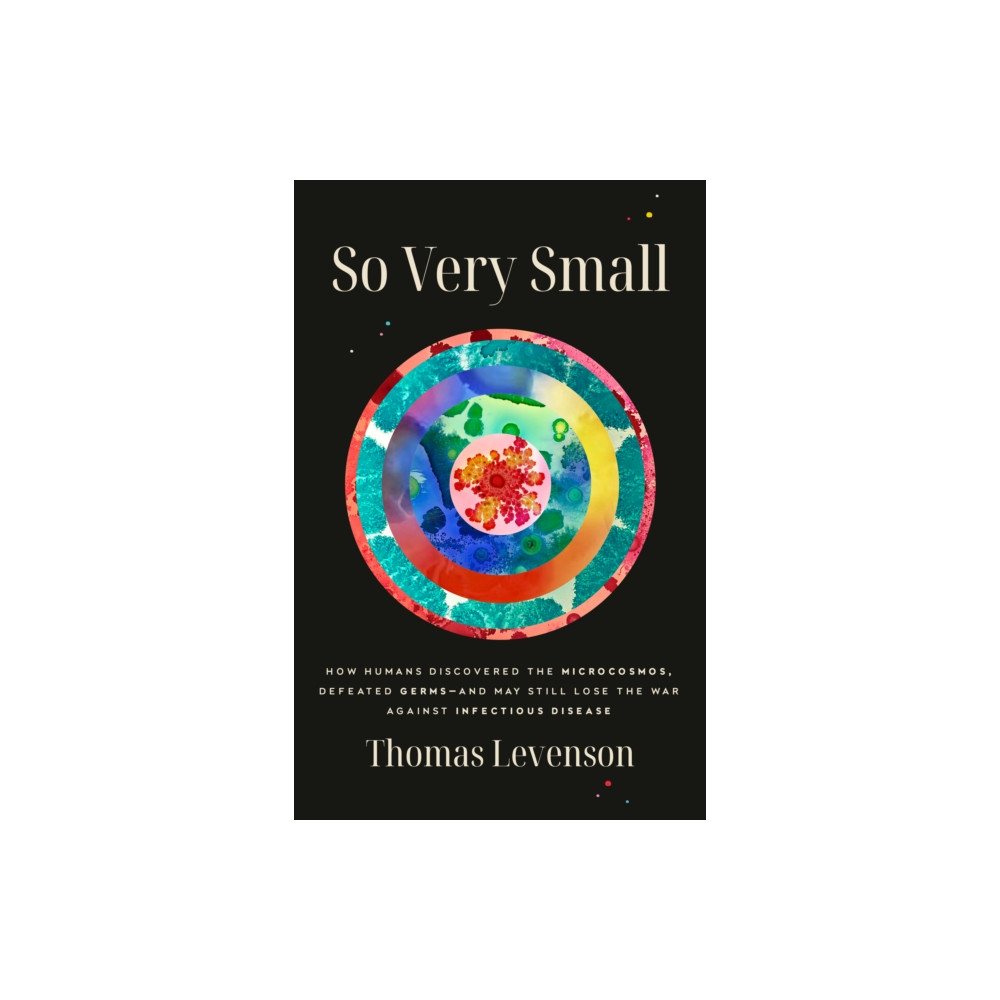
So Very Small (inbunden, eng)
Gästpris:
Ditt medlemspris:
175 kr
225 kr
Kampanjpris! (-12%)
- Inköpspriser för medlemmar (Logga in)
- Frakt från 0 kr
- 14 dagars öppet köp
Frågor? Starta chatt

The centuries-long quest to discover the critical role of germs in disease reveals as much about human reasoningand the pitfalls of egoas it does about microbes.
Essential reading . . . Thomas Levenson brings to brilliant life the social history of medical detective work and illuminates the fascinating world of pathogenic microbes.Deborah Blum, New York Times bestselling author of The Poison Squad
Scientists and enthusiastic amateurs first confirmed the existence of living things invisible to the human eye in the late seventeenth centurySo why did it take two centuries to connect microbes to disease? As late as the Civil War in the 1860s, most soldiers who perished died not on the battlefield but of infected wounds, typhoid, and other diseases. Twenty years later, the outcome might have been different, following one of the most radical intellectual transformations in history: germ theory, the recognition that the tiniest forms of life have been humankinds greatest killers.
It was a discovery centuries in the making, and it transformed modern life and public health.
As Thomas Levenson reveals in this globe-spanning history, it has everything to do with how we see ourselves. For centuries, people in the West, believing themselves to hold God-given dominion over nature, thought too much of humanity and too little of microbes to believe they could take us downWhen nineteenth-century scientists finally made the connection, life-saving methods to control infections and contain outbreaks soon followed. The next big break came with the birth of the antibiotic era in the 1930s. And yet, less than a century later, the promise of the antibiotic revolution is already receding due to years of overuse.
Is our self-confidence getting the better of us again?
So Very Small follows the thread of human ingenuity and hubris across centuriesalong the way peering into microscopes, spelunking down sewers, visiting army hospitals, traipsing across sheep fields, and moreto show how we came to understand the microbial environment and how little we understand ourselvesLevenson traces how and why ideas are pursued, accepted, or ignoredand hence how human habits of mind can, so often, make it terribly hard to ask the right questions.
Essential reading . . . Thomas Levenson brings to brilliant life the social history of medical detective work and illuminates the fascinating world of pathogenic microbes.Deborah Blum, New York Times bestselling author of The Poison Squad
Scientists and enthusiastic amateurs first confirmed the existence of living things invisible to the human eye in the late seventeenth centurySo why did it take two centuries to connect microbes to disease? As late as the Civil War in the 1860s, most soldiers who perished died not on the battlefield but of infected wounds, typhoid, and other diseases. Twenty years later, the outcome might have been different, following one of the most radical intellectual transformations in history: germ theory, the recognition that the tiniest forms of life have been humankinds greatest killers.
It was a discovery centuries in the making, and it transformed modern life and public health.
As Thomas Levenson reveals in this globe-spanning history, it has everything to do with how we see ourselves. For centuries, people in the West, believing themselves to hold God-given dominion over nature, thought too much of humanity and too little of microbes to believe they could take us downWhen nineteenth-century scientists finally made the connection, life-saving methods to control infections and contain outbreaks soon followed. The next big break came with the birth of the antibiotic era in the 1930s. And yet, less than a century later, the promise of the antibiotic revolution is already receding due to years of overuse.
Is our self-confidence getting the better of us again?
So Very Small follows the thread of human ingenuity and hubris across centuriesalong the way peering into microscopes, spelunking down sewers, visiting army hospitals, traipsing across sheep fields, and moreto show how we came to understand the microbial environment and how little we understand ourselvesLevenson traces how and why ideas are pursued, accepted, or ignoredand hence how human habits of mind can, so often, make it terribly hard to ask the right questions.
| Format | Inbunden |
| Språk | Engelska |
| Utgivningsdatum | 2025-04-29 |
| ISBN | 9780593242735 |
Artikelnummer
3681813
EAN
9780593242735
Leverans:
Denna produkt skickas från oss inom 6 - 7 vardagar. I kassan väljer du om du vill få leverans med Budbee, Airmee, Best Transport, Early Bird, Postnord eller DB Schenker. Vissa speditörer har vikt- eller storleksbegränsningar och kan av den anledningen saknas som alternativ i kassan om du handlar många eller väldigt stora produkter.Fri retur:
För medlemmar gäller fri retur och 14 dagars full returrätt från den dagen du tar emot din leverans. För övriga kostar retur från 49 kr.Undantag för retur- och ångerrätt:
Dessa är exempel på varor som inte omfattas av retur- eller ångerrätt. Observera att det kan finnas andra undantag som inte listas här.- Använda, skadade och/eller inkompletta produkter
- Dagligvaror (livsmedel, läkemedel, nikotinprodukter)
- Hygienartiklar & kroppsnära produkter (rakapparater, in ear-hörlurar, aktivitetsklockor)
- Intimprodukter (menskoppar, kondomer och glidmedel)
- Kosmetikprodukter (inkl. hår- och hudvårdsprodukter, parfymer, etc.)
- Underkläder (inkl. badkläder, underställ och strumpor)
- Ljud- & bildupptagningar, spel/program (om förseglingen brutits eller licensnyckeln erhållits.)
- Teknikprodukter om försegling brutits eller programvara har installerats (mobiltelefoner, surfplattor, laptops, etc.)
- Gratisprodukter
Om du är osäker på om en produkt omfattas av ångerrätt kan du alltid kontakta vår kundtjänst på info@buyersclub.se, så hjälper vi dig gärna!
Leveranser:


